


Sandy Marohn
Owner, Ripple Effect Academy


Manitoba to become site of huge carbon-capture facility
A Montreal-based company is eyeing southwest Manitoba for one of the world’s largest carbon-capture facilities.
Deep Sky announced on Thursday it is planning to build a 500,000-tonne carbon removal site. The first phase — with 30,000 tonnes of removal capacity — is anticipated to start construction in summer 2026.
A location hasn’t yet been set as Deep Sky considers land in the rural municipalities of Two Borders and Pipestone. A total 145 acres is required, said Jason Vanderheyden, Deep Sky vice-president of government affairs.
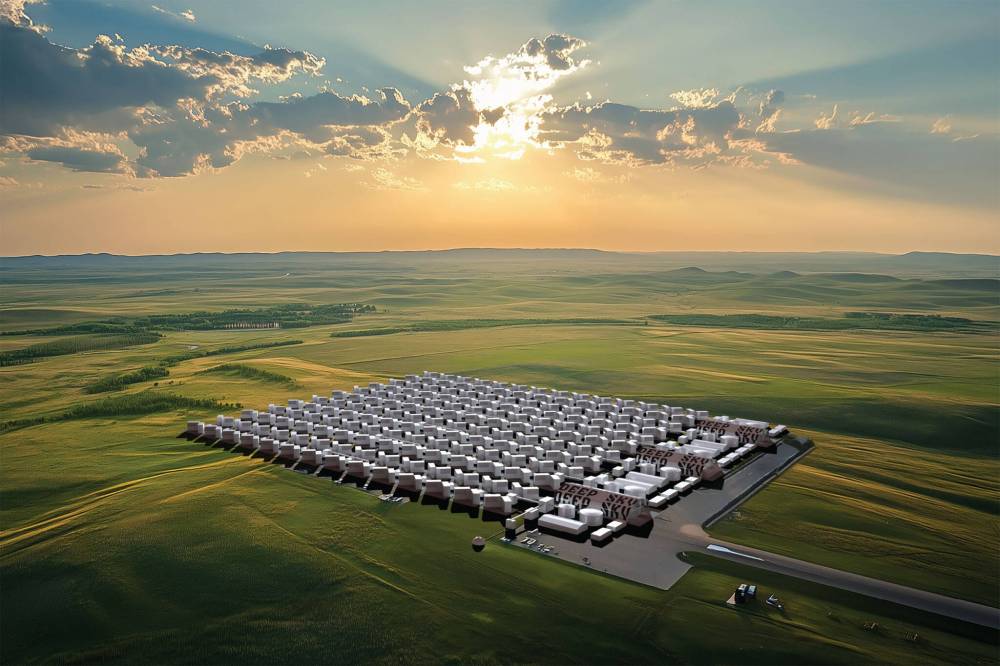
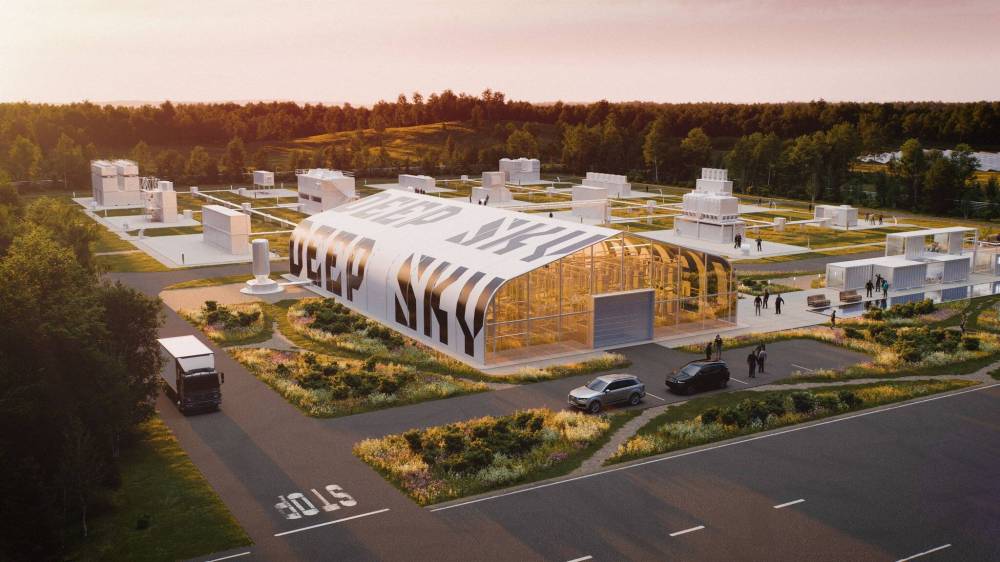
Deep Sky plans to use technology to pull carbon dioxide from the air and store it underground. Companies would buy carbon credits as a way to offset their own emissions.
Deep Sky launched its first carbon-capture site — a smaller test facility — in Alberta in August.
Technology being trialled in that province will be used in Manitoba, Vanderheyden said. Specifics haven’t been hammered out. “We’re evaluating those technologies,” he said.
Direct air capture involves collecting carbon dioxide molecules from the air by using fans; the air passes over solid or chemical materials that bind with carbon dioxide, making storage easier.
Manitoba is attractive for its geology and access to hydroelectricity, Vanderheyden said. Deep Sky is currently undergoing a feasibility study with Manitoba Hydro.
First phases of the proposed facility will use “relatively low” amounts of power, Vanderheyden said, and the final phase could involve different renewable energy sources, if needed.
Should the idea unfurl as planned, Deep Sky will funnel $500 million into the site. It’ll create upwards of 700 construction jobs and another 100 for the plant’s ongoing operations, Vanderheyden said.
An initial $200 million is slated for the first phase, which Deep Sky plans to fund on its own. It’ll seek further funding for next stages, Vanderheyden said.
“(Tax credits) can be very, very lucrative and can be that decision-making factor around whether businesses are going to invest.”
The Quebec company began in 2022 by the co-founders of Hopper, an online travel agency. Since then, it’s garnered $130 million in funding from the BDC Climate Fund, BMO, National Bank of Canada and Investissement Québec, among other investors.
The Royal Bank of Canada and Microsoft bought carbon removal credits from Deep Sky last year. In return, Deep Sky plans to remove 10,000 tonnes of carbon dioxide from the atmosphere over 10 years in Alberta, the company said in a news release.
It also has projects slated for Quebec.
Deep Sky’s interest in Manitoba piqued following the passage last year of its Captured Carbon Storage Act. Regulations anticipated to pass this fall would allow for companies like Deep Sky to access tax credits from Manitoba.
Ottawa also has a 60 per cent carbon capture, utilization and storage investment tax credit, Vanderheyden noted.
“(Tax credits) can be very, very lucrative and can be that decision-making factor around whether businesses are going to invest,” Premier Wab Kinew said at an unrelated news conference Thursday.
He called Deep Sky’s initiative an “exciting opportunity” and touted Manitoba’s recent legislation.
“Technology is going to be part of the fight against global warming,” Kinew said. “It can create some good jobs and economic opportunity.”
“It’s important that we explore climate solutions and emissions reductions solutions with an open mind.”
Deep Sky has signed a declaration of relationship with Dakota Nations of Manitoba to explore economic participation. That could include equity investment, Vanderheyden said.
Carbon capture has “both its supporters and its detractors,” said Derek Earl, founder of BizforClimate, an entity facilitating climate change discussions within Manitoba’s private sector.
“I feel there’s reason to be cautiously supportive,” Earl said. “It’s important that we explore climate solutions and emissions reductions solutions with an open mind.”
Still, the new facility poses questions, he said: how much energy is required versus what is offset? How much water is required?
Canadians emit about three tonnes of greenhouse gas emissions per capita annually, Statistics Canada has reported. By that metric, the first phase of the Manitoba plant would offset the emissions of 10,000 households.
Generally, the carbon credit model is helpful because it attracts private sector to climate-focused projects, Earl said.
“If we can find ways to finance these things through market transactions … it ultimately could become more feasible to do it, because governments can’t pay for everything,” he said.
“We’re very happy that the investment decision of Deep Sky is sending a very positive signal to the market,” Moses added.
Deep Sky’s announcement comes as the United States slashes billions of dollars in climate program funding.
— with files from Nicole Buffie
https://www.winnipegfreepress.com/business/2025/10/09/manitoba-to-become-site-of-huge-carbon-capture-facility